)
)
)
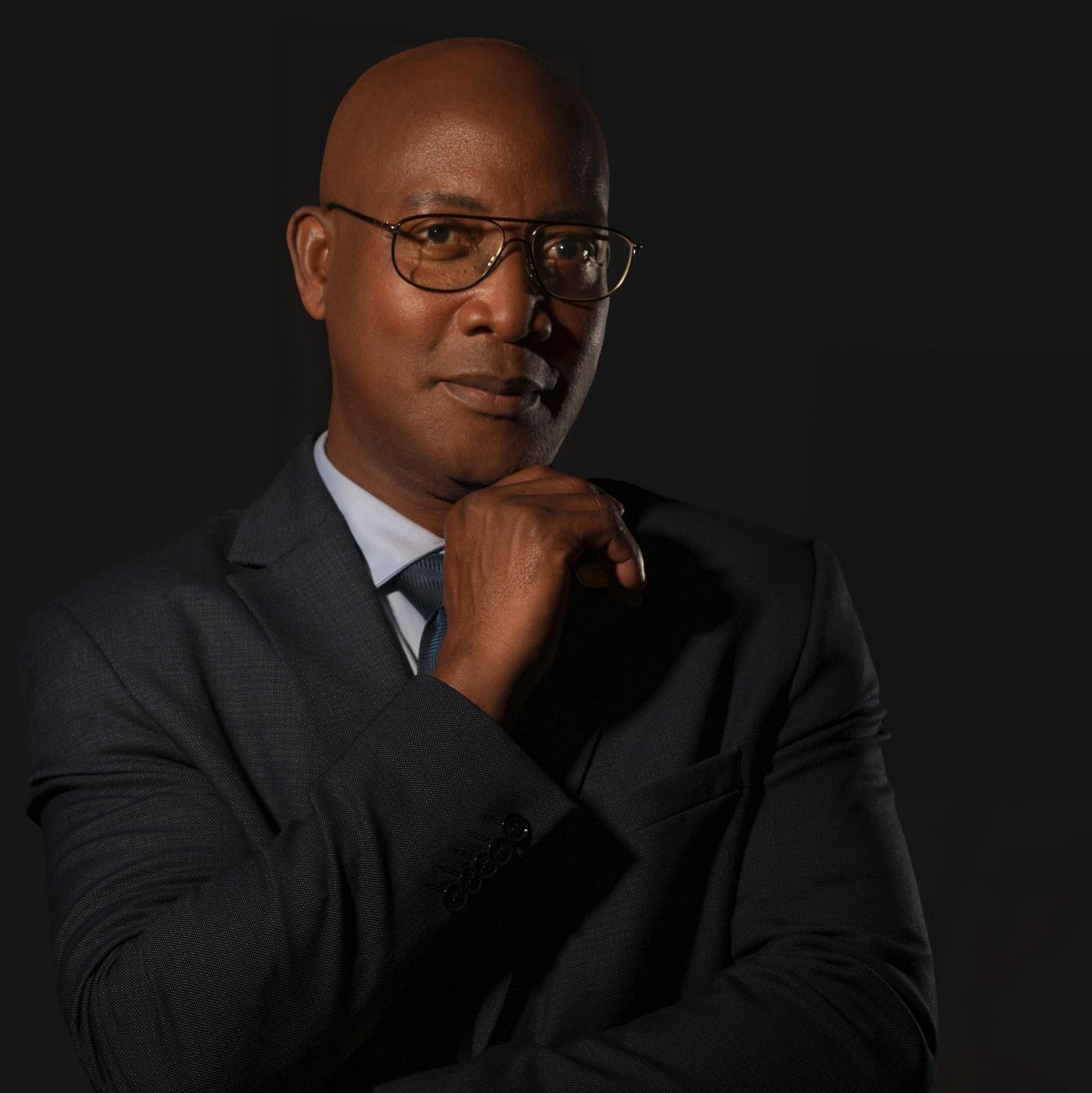
H.E. Gabriel Serville
President,
Collectivity Territorial of French-Guiana
Born on September 27, 1959, in Cayenne, Gabriel Serville is a leading figure in public life in French Guiana.
A trained educator, he began his career as a mathematics teacher before serving as a middle school principal and high school headmaster. He dedicated his professional life to education, youth development, and the advancement of French Guiana before fully committing himself to public service and politics.
His career has been guided by a strong conviction: French Guiana must be equipped with the means to shape its own future by building on its resources, talents, and strategic position at the crossroads of South America and the Caribbean.
He began his political engagement within the Democratic Forces of Guiana, serving as Secretary General from 2004 to 2006. Elected to the Municipal Council of Matoury in 2008, he became a Regional Councillor in 2010 and was elected Member of Parliament for French Guiana’s First Constituency in 2012.
At the French National Assembly, where he served for nearly ten years—including as a member of its Bureau—he focused particularly on issues related to sustainable development, regional planning, overseas territories, biodiversity, energy, healthcare, and regional cooperation. He notably chaired the France–Haiti Friendship Group and actively contributed to strengthening relations with French Guiana’s neighboring countries, particularly Brazil and Suriname.
As Mayor of Matoury from 2014 to 2017, he pursued a policy of proximity and public service improvement while supporting the sustainable urban development of one of French Guiana’s most dynamic municipalities.
In 2018, he founded the political movement Péyi Guyane, with the ambition of building a modern, inclusive political project deeply rooted in the realities and aspirations of French Guiana.
On July 2, 2021, Gabriel Serville was elected President of the Territorial Collectivity of French Guiana. His election marked a new chapter in the territory’s institutional history, driven by a commitment to territorial connectivity, social justice, innovation, and regional integration.
Since taking office, he has placed children, youth, and equal opportunities at the heart of his public policy agenda. Faced with one of the highest population growth rates in France, he launched an ambitious program to build and renovate middle and high schools, ensuring that students benefit from learning environments conducive to academic success.
Convinced that human development is the primary driver of progress, he has also strengthened policies supporting education, vocational training, professional integration, youth empowerment, and access to culture and sports throughout the territory.
Gabriel SERVILLE
President of the Territorial Collectivity of French Guiana
Healthcare is another major pillar of his mandate. Gabriel Serville advocates for the creation of a University Hospital Center (CHU) in French Guiana in order to sustainably improve healthcare services, expand medical education and research, and meet the needs of a rapidly growing population. He has notably supported the development of specialized cancer screening and treatment services, enabling residents to access high-quality care locally rather than systematically traveling to mainland France.
Recognizing the strategic importance of digital transformation, he has made connectivity a key driver of territorial development. Under his leadership, French Guiana has supported the deployment of the Lum@link submarine cable, a critical infrastructure project designed to secure and strengthen the territory’s international digital connections. He also champions the French Guiana Data Center project, aimed at reinforcing digital sovereignty, attracting innovative businesses, and supporting the digital transformation of both public services and private enterprises.
Through the program “Connected French Guiana: Bridging the Digital Divide”, he promotes a clear ambition: to make digital technology a tool for equal opportunity and territorial cohesion, ensuring that no child, family, or municipality is left behind in accessing the opportunities offered by new technologies.
His policies are also part of a broader sustainable development strategy based on energy transition, renewable energy development, environmental protection, land-use planning, food security, and support for local economic sectors.
Committed to territorial equity, he promotes an ambitious agenda to improve connectivity for inland communities and reduce disparities between the coastal areas and the regions along the Maroni and Oyapock rivers. He works to strengthen transportation, telecommunications, and public service infrastructure in order to ensure balanced development throughout French Guiana.
At the same time, regional cooperation and territorial diplomacy have become defining features of his presidency. Guided by the belief that French Guiana’s future must also be built alongside its neighbors, he has strengthened institutional, economic, and cultural ties with Suriname, Guyana, Brazil, and Caribbean states.
Under his leadership, French Guiana became in 2026 the first French territory to obtain Associate Membership in the Caribbean Telecommunications Union (CTU), a leading regional organization in the fields of telecommunications and digital development. He also supports French Guiana’s candidacy for Associate Membership in the Caribbean Community (CARICOM), with the objective of deepening the territory’s integration into its natural regional environment.
Finally, Gabriel Serville advocates for institutional reforms that would provide French Guiana with powers and resources better suited to its unique geographic, demographic, environmental, and economic realities. He promotes greater local decision-making authority to address the territory’s challenges more effectively.
Through his commitment and leadership, Gabriel Serville pursues a clear vision: to make French Guiana a benchmark territory in education, healthcare, innovation, regional cooperation, ecological transition, and human development, for the benefit of present and future generations.
A trained educator, he began his career as a mathematics teacher before serving as a middle school principal and high school headmaster. He dedicated his professional life to education, youth development, and the advancement of French Guiana before fully committing himself to public service and politics.
His career has been guided by a strong conviction: French Guiana must be equipped with the means to shape its own future by building on its resources, talents, and strategic position at the crossroads of South America and the Caribbean.
He began his political engagement within the Democratic Forces of Guiana, serving as Secretary General from 2004 to 2006. Elected to the Municipal Council of Matoury in 2008, he became a Regional Councillor in 2010 and was elected Member of Parliament for French Guiana’s First Constituency in 2012.
At the French National Assembly, where he served for nearly ten years—including as a member of its Bureau—he focused particularly on issues related to sustainable development, regional planning, overseas territories, biodiversity, energy, healthcare, and regional cooperation. He notably chaired the France–Haiti Friendship Group and actively contributed to strengthening relations with French Guiana’s neighboring countries, particularly Brazil and Suriname.
As Mayor of Matoury from 2014 to 2017, he pursued a policy of proximity and public service improvement while supporting the sustainable urban development of one of French Guiana’s most dynamic municipalities.
In 2018, he founded the political movement Péyi Guyane, with the ambition of building a modern, inclusive political project deeply rooted in the realities and aspirations of French Guiana.
On July 2, 2021, Gabriel Serville was elected President of the Territorial Collectivity of French Guiana. His election marked a new chapter in the territory’s institutional history, driven by a commitment to territorial connectivity, social justice, innovation, and regional integration.
Since taking office, he has placed children, youth, and equal opportunities at the heart of his public policy agenda. Faced with one of the highest population growth rates in France, he launched an ambitious program to build and renovate middle and high schools, ensuring that students benefit from learning environments conducive to academic success.
Convinced that human development is the primary driver of progress, he has also strengthened policies supporting education, vocational training, professional integration, youth empowerment, and access to culture and sports throughout the territory.
Gabriel SERVILLE
President of the Territorial Collectivity of French Guiana
Healthcare is another major pillar of his mandate. Gabriel Serville advocates for the creation of a University Hospital Center (CHU) in French Guiana in order to sustainably improve healthcare services, expand medical education and research, and meet the needs of a rapidly growing population. He has notably supported the development of specialized cancer screening and treatment services, enabling residents to access high-quality care locally rather than systematically traveling to mainland France.
Recognizing the strategic importance of digital transformation, he has made connectivity a key driver of territorial development. Under his leadership, French Guiana has supported the deployment of the Lum@link submarine cable, a critical infrastructure project designed to secure and strengthen the territory’s international digital connections. He also champions the French Guiana Data Center project, aimed at reinforcing digital sovereignty, attracting innovative businesses, and supporting the digital transformation of both public services and private enterprises.
Through the program “Connected French Guiana: Bridging the Digital Divide”, he promotes a clear ambition: to make digital technology a tool for equal opportunity and territorial cohesion, ensuring that no child, family, or municipality is left behind in accessing the opportunities offered by new technologies.
His policies are also part of a broader sustainable development strategy based on energy transition, renewable energy development, environmental protection, land-use planning, food security, and support for local economic sectors.
Committed to territorial equity, he promotes an ambitious agenda to improve connectivity for inland communities and reduce disparities between the coastal areas and the regions along the Maroni and Oyapock rivers. He works to strengthen transportation, telecommunications, and public service infrastructure in order to ensure balanced development throughout French Guiana.
At the same time, regional cooperation and territorial diplomacy have become defining features of his presidency. Guided by the belief that French Guiana’s future must also be built alongside its neighbors, he has strengthened institutional, economic, and cultural ties with Suriname, Guyana, Brazil, and Caribbean states.
Under his leadership, French Guiana became in 2026 the first French territory to obtain Associate Membership in the Caribbean Telecommunications Union (CTU), a leading regional organization in the fields of telecommunications and digital development. He also supports French Guiana’s candidacy for Associate Membership in the Caribbean Community (CARICOM), with the objective of deepening the territory’s integration into its natural regional environment.
Finally, Gabriel Serville advocates for institutional reforms that would provide French Guiana with powers and resources better suited to its unique geographic, demographic, environmental, and economic realities. He promotes greater local decision-making authority to address the territory’s challenges more effectively.
Through his commitment and leadership, Gabriel Serville pursues a clear vision: to make French Guiana a benchmark territory in education, healthcare, innovation, regional cooperation, ecological transition, and human development, for the benefit of present and future generations.
Sessions
-
Presidential Addresses23-Jun-2026Roeli’s Auditorium